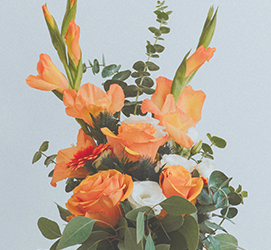
Millbank sustainable flower recycling and donation options
Posted on 14/10/2026
If you have ever looked at a bouquet a few days after delivery and thought, "It seems a shame to throw this away," you are in the right place. Millbank sustainable flower recycling and donation options are about making sure flowers, foliage, and even the materials around them are used thoughtfully for as long as possible. That can mean donating still-fresh arrangements, repurposing stems at home, or disposing of spent blooms in a more responsible way. In a busy part of London like Millbank, where people often want convenience without waste, the smarter flower choice is often the greener one.
This guide walks through how sustainable flower recycling and donation usually works, who it suits, what to watch out for, and how to make practical decisions that actually save money and reduce waste. Truth be told, it is not just about being "eco-friendly" for the sake of it. It is about sensible use of what you already have, with less mess and less guilt.
Table of Contents
- Why Millbank sustainable flower recycling and donation options Matters
- How Millbank sustainable flower recycling and donation options Works
- Key Benefits and Practical Advantages
- Who This Is For and When It Makes Sense
- Step-by-Step Guidance
- Expert Tips for Better Results
- Common Mistakes to Avoid
- Tools, Resources and Recommendations
- Law, Compliance, Standards, or Best Practice
- Options, Methods, or Comparison Table
- Case Study or Real-World Example
- Practical Checklist
- Conclusion
- Frequently Asked Questions
Why Millbank sustainable flower recycling and donation options Matters
Flowers are temporary by nature, but the way we handle them does not have to be wasteful. In Millbank, where homes, offices, hospitality spaces, and event venues often move at a brisk pace, floral waste can build up quietly. One wedding, one office reception, one sympathy tribute, one corporate launch, and suddenly there are several arrangements at the end of their useful life. Sustainable flower recycling and donation options help keep that waste in check.
There is also a human side to it. A bouquet that is still bright and fragrant on day three may still bring comfort to a care setting, a community space, or a neighbour who would appreciate a lift. Let's face it, flowers do not lose all their value the moment the ribbon comes off.
The topic matters for three main reasons:
- Waste reduction: fewer flowers, fewer wraps, and fewer containers end up discarded early.
- Better value: you get more use from what you have paid for, whether that is a home bouquet or a larger event order.
- Community benefit: reusable flowers can still brighten a shared space, which is a small thing that matters more than people sometimes admit.
In practical terms, sustainable flower handling also encourages better buying habits. If you know you will recycle or donate arrangements thoughtfully, you tend to choose more durable flowers, better packaging, and more manageable volumes. That is the sort of small change that adds up.
Expert summary: The most sustainable flower is often the one that is used fully, passed on while still presentable, and disposed of with care only after it has genuinely finished its life.
How Millbank sustainable flower recycling and donation options Works
The process is simpler than people expect. Sustainable flower reuse usually follows a few clear paths depending on the condition of the arrangement, the type of flowers, and how quickly action is taken.
1. Assess the condition of the flowers
Start by checking what is still fresh. Blooms with firm stems, intact petals, and only slight fading can often be donated or repurposed. Wilted heads, slimy stems, or strong decay are different; those are usually better suited to composting or green waste rather than donation. You do not need to overthink it. If a bouquet still looks good on a table from a normal viewing distance, it may still have use left.
2. Separate reusable elements
Sometimes the flowers are not the only useful part. Vases, wraps, ribbon, water tubes, decorative picks, and even some trays can be reused if they are clean and undamaged. For larger events, separating these early makes the rest of the process much easier. It also avoids that awkward moment where a lovely arrangement is lovely, but the packaging is not.
3. Choose a path: donate, repurpose, or recycle
Here is the basic logic:
- Donate if the flowers are still attractive and suitable for display.
- Repurpose if you can split the bouquet into smaller arrangements, loose stems, or dried flowers.
- Recycle/compost if the flowers are spent and no longer presentable.
For example, an office reception bouquet might be divided into smaller desk arrangements on day three. A wedding table display might be turned into mini vases for guests after the main event. A sympathy wreath may be handled differently again, with timing and presentation mattering a lot more than volume.
4. Match the destination to the flower type
Not every flower is equally easy to reuse. Hardy stems such as carnations, alstroemeria, chrysanthemums, and some roses tend to hold up well. Softer blooms may need quicker handling. Scented or delicate arrangements can be lovely for home use, but may not be ideal for transport if they are already tired.
If you need ideas for flowers that hold up well for reuse, browsing best-selling arrangements or seasonal selections such as summer flowers can help you spot varieties that travel and last better.
5. Keep timing realistic
Donation works best when it happens quickly. Flowers that look fine in the morning may be past their best by late afternoon, especially in warm rooms or after a long event. If you are planning a donation route, it helps to organise it before the flowers start fading rather than after. That sounds obvious, but people do forget, especially after a big event.
Key Benefits and Practical Advantages
The strongest benefit is not just environmental. It is practical. Sustainable flower recycling and donation options can make floral use feel less wasteful and more intentional, which is a surprisingly good feeling.
Lower waste, less clutter
Flowers are beautiful, but floral waste can be awkward to store and dispose of. When arrangements are donated or split into reusable parts, you cut down on bin volume and landfill pressure. Even if you are only working with a few bouquets, that reduced clutter is noticeable.
Better value from every order
If you have paid for flowers, it makes sense to get the most out of them. A bouquet used in stages - first as a full arrangement, then as smaller home vases, then as dried decor or compost - gives you more mileage. It is the floral equivalent of using every last slice of cake. Well, nearly.
More thoughtful gifting and event planning
For weddings, memorials, and corporate functions, sustainable options can be part of the event design rather than an afterthought. The result is calmer planning and fewer last-minute decisions about what to do with the flowers once the event ends.
Community goodwill
Donated flowers can brighten a shared room, a reception desk, or a community setting. That small act often feels more meaningful than people expect. There is something quietly decent about letting beauty travel a little further.
Useful for businesses too
Offices, hotels, restaurants, and venues often need florals that look fresh but do not create unnecessary waste. Corporate accounts and regular flower delivery arrangements can be planned with sustainability in mind, especially when the purchase pattern is predictable. If that applies to you, it may be worth exploring corporate accounts alongside a greener ordering routine.
Who This Is For and When It Makes Sense
This approach works for more people than you might think. It is not only for eco-conscious households or large event planners. In real life, it suits anyone who wants to make better use of fresh flowers.
Home buyers and gift recipients
If you receive regular bouquets, perhaps for birthdays, anniversaries, or just because someone was feeling generous, you can use these methods to avoid waste. A gift arrangement is often too lovely to toss out all at once.
Weddings and private events
Bridal bouquets, table arrangements, ceremony flowers, and thank-you bouquets can all be planned for reuse. Millbank couples hosting smaller, elegant events often prefer fewer, better arrangements that can be moved, shared, or donated after the celebration.
Offices and reception areas
Business spaces often replace flowers before they are truly finished. A sensible recycling and donation plan means arrangements can be rotated, refreshed, and repurposed more efficiently. That matters in a place where first impressions count.
Funeral and memorial settings
With tribute flowers, sensitivity matters. Some arrangements may be taken home by the family, some may be shared with close relatives, and some may be composted once the memorial period has passed. If you are dealing with sympathy flowers, you may also want to look at dedicated designs such as sympathy flowers or funeral flowers in Millbank SW1, because the aftercare for these arrangements is often handled differently.
When it makes the most sense
- After weddings, launches, or community events
- When bouquets still look presentable but are no longer needed at home
- When you want to stretch your budget further
- When your household or business is trying to reduce waste
- When a local donation would genuinely be appreciated
Step-by-Step Guidance
Here is a practical way to handle it without making a fuss.
Step 1: Sort the arrangement early
Do not wait until the flowers are dropping petals everywhere. The best time to sort them is while they still look good. Remove any damaged stems, soggy foliage, or weak blooms first.
Step 2: Check what can be donated
Look at the visual quality, fragrance, and overall freshness. If the arrangement would still look welcoming in a reception area or lounge, it may be suitable for donation. If it looks tired in your own kitchen, be honest - it is probably not donation-ready.
Step 3: Clean and repackage gently
Use a clean vase or simple wrap. Remove excess water if you need to transport the flowers. Keep things tidy rather than fancy. Nobody needs a ribbon masterpiece if the petals are already doing their own thing.
Step 4: Separate the reusable material
Set aside anything that can be used again:
- glass or ceramic vases
- card holders and message cards
- ribbons and wraps where clean
- floral foam or water tubes only if they are suitable for reuse in your setting
Step 5: Choose the right reuse route
There are three broad routes:
- Donate to a local organisation, care setting, community group, or workplace that can use the flowers quickly.
- Reuse at home by splitting one large bouquet into smaller displays.
- Compost or green-waste recycle the remaining plant matter once the flowers are finished.
Step 6: Dispose responsibly
When the flowers are fully spent, remove any non-organic items before disposal. In London homes and businesses, that often means separating plastic wrap, cellophane, cable ties, and broken containers from the plant material. If your waste contractor or building has its own sorting rules, follow those. It is boring, yes, but it avoids problems later.
Expert Tips for Better Results
A few small habits make a big difference. In our experience, the best results come from people who do the simple things consistently.
Choose longer-lasting stems at the point of order
If your aim is donation or reuse, select flowers known for better vase life. Roses, chrysanthemums, carnations, alstroemeria, and mixed seasonal arrangements often hold up well. You can also look through all flowers or florist choice options when you want a bouquet that is designed by someone who understands structure and longevity.
Ask for simpler wrapping
Overly elaborate packaging looks nice at delivery, but it can get in the way if you are planning to donate or split the bouquet later. A neater, simpler wrap is easier to handle and usually less wasteful.
Keep water fresh and stems trimmed
A quick recut of stems and fresh water can extend life by a surprising amount. This is basic flower care, but it really matters. If you need a refresher, the flower care guidance is a sensible place to start.
Store arrangements away from heat and fruit
Direct sun, radiators, and bowls of ripening fruit all shorten vase life. A cooler corner, away from drafts, is usually better. You will notice the difference by the next morning.
Plan reuse before the event starts
For weddings or corporate occasions, it helps to decide in advance which arrangements will be moved after the event, which will be gifted, and which can be composted. That way, nobody is standing around at 10 p.m. asking who gets the big vase by the door.
Use seasonal flowers where possible
Seasonal designs are often fresher, more practical, and easier to repurpose. If you like the idea of arrangements that feel current and natural, seasonal collections such as autumn or spring charm can be a better fit than something overly forced.
Common Mistakes to Avoid
Most waste problems come from delay, poor sorting, or unrealistic expectations. Nothing dramatic. Just the kind of small oversight that quietly adds up.
- Waiting too long to decide: by the time you get around to donating, the flowers may be beyond use.
- Mixing damaged blooms with good ones: one rotting stem can make the rest harder to preserve.
- Using too much water for transport: that leads to spills, soaked packaging, and sad-looking petals.
- Assuming every bouquet is donation-ready: some arrangements are for private reuse only.
- Forgetting packaging waste: flowers may be organic, but the wrap often is not.
- Choosing flowers only for appearance, not longevity: they might be gorgeous on day one and finished by day three.
A small, slightly annoying truth: the prettiest bouquet is not always the easiest one to recycle. That does not make it bad. It just means you need to plan around it.
Tools, Resources and Recommendations
You do not need fancy equipment to do this well. A handful of practical items is usually enough.
- Clean vases or jars: useful for splitting arrangements into smaller displays.
- Sharp scissors or secateurs: for trimming stems cleanly.
- Paper or compostable wrap: handy if flowers need to be transported.
- Labels or simple notes: useful for event flowers so people know which arrangements are intended for reuse.
- Separate bags for packaging: helps keep plant material and non-organic waste apart.
If you are choosing flowers with reuse in mind, browsing a well-structured shop can make life easier. Collections such as best sellers, luxury flowers, or flowers in a vase can help you compare styles, vase-life expectations, and presentation. For delivery planning, useful pages include delivery and same-day flower delivery in Millbank SW1 when timing is part of the decision.
If you want something more personal or a bit more local in feel, a florist in Millbank SW1 can usually help you choose arrangements that are easier to maintain, repurpose, or share after the original occasion.
Law, Compliance, Standards, or Best Practice
For flower recycling and donation, the main thing is sensible handling rather than heavy regulation. That said, a few UK best-practice points are worth keeping in mind.
First, if flowers are being donated to a care setting, workplace, or event venue, they should be clean, safe to handle, and in a condition that will not create a nuisance. That means no mouldy water, broken glass, or pests. Common sense, really, but it is still worth saying.
Second, businesses should follow their own waste-separation procedures, building rules, and any relevant local waste arrangements. If you are operating from a commercial premises, there may be expectations around how mixed waste, recyclables, and organic material are handled. Exact arrangements vary, so it is best not to assume.
Third, some donated arrangements may be unsuitable for certain environments, especially where allergies, hygiene controls, or access needs matter. A thoughtful donor checks first rather than forcing the issue.
You may also want to review shop policies and company standards if you are ordering flowers for an event or business. Pages such as sustainability, guarantees, returns and refund, and terms and conditions can help set expectations before you buy. For broader corporate or recurring use, corporate accounts may be useful where regular orders need a more organised approach.
One small but important point: sustainability is not only about being generous with leftovers. It also starts with buying thoughtfully, ordering the right amount, and choosing arrangements that suit the event from day one.
Options, Methods, or Comparison Table
Here is a simple comparison of the main options for flowers at the end of their useful life.
| Option | Best for | Pros | Limitations |
|---|---|---|---|
| Donate | Fresh, attractive bouquets and event flowers | Extends useful life, helps others, reduces waste | Needs quick timing and good presentation |
| Repurpose at home | Partly fresh bouquets, smaller household displays | Easy, low-cost, flexible | May only extend life a few extra days |
| Dry flowers | Structured blooms and sentimental arrangements | Creates lasting decor, low waste | Not all flowers dry well; colour may fade |
| Compost/green waste | Spent blooms and foliage | Responsible end-of-life disposal | Requires separating non-organic packaging first |
In practice, many people use a combination of these methods. A wedding bouquet might be split across all four paths: some blooms donated, some displayed at home, some dried, and the rest composted. That is often the most realistic answer.
Case Study or Real-World Example
Picture a small corporate event in Millbank on a Thursday afternoon. The reception desk has a large mixed arrangement, a few smaller vase displays line the meeting room, and there are two table pieces left over after guests leave. Nothing extravagant. Just tasteful, tidy flowers that made the room feel warmer.
Rather than leaving everything to wilt over the weekend, the office manager checks the arrangements the next morning. The reception bouquet still looks good, so it is moved to a shared lounge. One of the table displays is split into two smaller vases for desk areas. The rest is kept in fresh water, then passed on to a nearby space that can use it the same day. The packaging is sorted separately. No drama, no complicated process.
The result is simple but satisfying: less waste, more value, and a nicer office atmosphere for longer. That is the sort of outcome these options are meant to create. Nothing flashy. Just practical and decent.
A similar approach works for a family celebration too. A birthday bouquet can start in the dining room, move to the hallway, then be broken into smaller jars across the house. By the time the stems are finished, they have already given a week of enjoyment instead of disappearing after two or three days. That may sound minor, but it really adds up over the year.
Practical Checklist
Use this quick checklist before you decide what to do with your flowers.
- Are the flowers still fresh enough to look welcoming?
- Have you removed obviously damaged stems and leaves?
- Can the bouquet be split into smaller displays?
- Is there a local place, person, or space that could use them quickly?
- Have you separated plastic wrap, ties, and other non-organic pieces?
- Do you have clean vases or containers ready?
- Have you checked any venue, building, or workplace waste rules?
- Would a seasonal or longer-lasting bouquet be better next time?
- Can the remaining flowers be dried or composted later?
- Have you chosen a plan before the flowers become overripe?
If you can tick most of those boxes, you are already doing better than average. And honestly, that is a good place to be.
Conclusion
Millbank sustainable flower recycling and donation options give flowers a longer, more meaningful life. They help reduce waste, support thoughtful gifting, and make event planning feel less throwaway. Whether you are managing a home bouquet, a business display, or a larger floral occasion, the best approach is usually straightforward: sort early, reuse what you can, donate while flowers still look presentable, and dispose of the rest responsibly.
The key is not perfection. It is awareness. A little planning before and after the flowers arrive can turn something disposable into something genuinely useful. That is a small win, but small wins matter.
If you are comparing greener flower choices, want arrangements that last better, or need a more practical order for your home or business, it helps to work with a florist who understands both presentation and aftercare. Get a free quote today and see how much you can save.
And if you do nothing else, at least keep the stems fresh a little longer. The flowers will thank you in their own quiet way.
Frequently Asked Questions
What does sustainable flower recycling mean?
It usually means reusing, donating, drying, composting, or otherwise extending the useful life of flowers instead of throwing them away as soon as they begin to fade.
Can I donate flowers that are a few days old?
Yes, sometimes. If the flowers still look attractive, smell fine, and are not showing major wilting or decay, they may be suitable for donation or repurposing. The key is to act quickly.
Which flowers last longest for reuse?
Hardier flowers such as carnations, chrysanthemums, alstroemeria, and many roses often last well. Mixed seasonal bouquets can also be a good choice if they are properly cared for.
What should I do with the packaging?
Separate ribbon, plastic wrap, ties, and other non-organic materials before composting or disposing of the flowers. Clean vases and jars can often be reused many times.
Is it better to donate or compost flowers?
If the flowers are still attractive, donation usually gives them a second life. If they are fully spent, composting or green waste disposal is the better option.
Can wedding flowers be reused after the event?
Yes, very often. Wedding table arrangements, ceremony pieces, and bouquets can be split into smaller displays, gifted to guests, or donated if they remain fresh enough.
How soon should flowers be donated?
As soon as possible, ideally while they still look fresh. Waiting too long is the most common reason donations are no longer practical.
Are all flowers suitable for donation?
No. Flowers with heavy wilting, mould, pests, or damaged stems are usually not suitable. Donation works best when the bouquet is still visually strong and easy to handle.
Can I dry flowers instead of throwing them away?
Yes. Some flowers dry well and can be kept as decor or a keepsake. Roses and similar structured blooms are often good candidates, though colour and shape may change.
Do offices in Millbank need a special flower waste plan?
Not usually a special one, but a clear plan helps. Offices benefit from knowing when flowers will be refreshed, who will reuse them, and how organic waste should be separated.
What if I am not sure whether flowers are fresh enough?
Use the simple test: if they still look presentable in a room and do not smell off, they may still have use. If they are soft, brown at the edges, or dropping heavily, composting is safer.
How can I make my next order more sustainable?
Choose longer-lasting flowers, simpler packaging, and an arrangement size that matches the event. Seasonal designs and sensible delivery timing also help a lot.